12 things you should never clean with vinegar and what to use instead for safer household cleaning.
Hello friends! Today we are talking about one of the most popular cleaning products in almost every kitchen…
White vinegar !
I love a simple and inexpensive cleaning solution as much as anyone. Vinegar can be wonderful for certain household jobs, and one bottle costs much less than a cabinet filled with specialty cleaners.
However… Natural does not automatically mean safe for every surface.
Vinegar is acidic, and that acidity can slowly dull finishes, weaken certain materials, damage seals and leave some expensive surfaces looking worse than when we started.
That is something I think many of us do not realize.
We see a cleaning tip online, grab the vinegar and begin spraying without checking whether it is safe for the surface underneath all that dirt.
Before you clean something with vinegar, always check the care instructions that came with the item. This is especially important with flooring, countertops, appliances and electronics.
Here are 12 things you should never clean with vinegar unless the manufacturer specifically tells you that it is safe.

JOIN THE COTTAGE MARKET FAMILY
A Little Cottage Inspiration in Your Inbox
Join us for free printables, cozy decorating ideas, easy DIY projects, delicious recipes and plenty of happy inspiration!
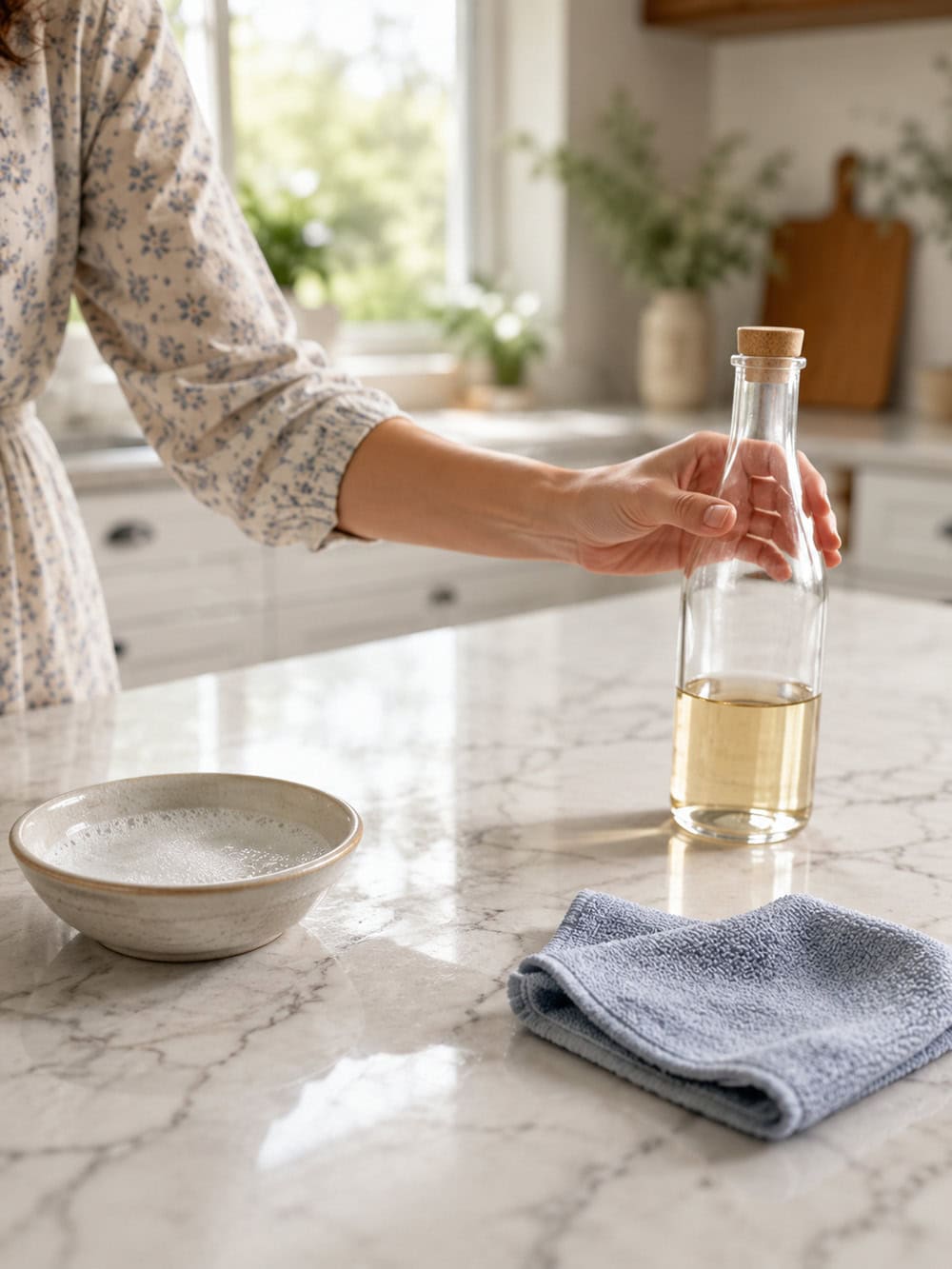
Marble, Limestone and Travertine
Vinegar should never be used on marble, limestone, travertine or other acid-sensitive natural stone.
The acid in vinegar can react with the minerals in these stones and create dull, rough or cloudy marks called etching.
This is not simply dirt or residue that can be wiped away. Etching is actual damage to the surface of the stone.
Be especially careful with:
- Marble kitchen countertops
- Marble bathroom vanities
- Travertine shower tile
- Limestone floors
- Natural stone fireplace surrounds
- Stone tabletops
- Stone serving boards
The Natural Stone Institute specifically warns that products containing vinegar, lemon or other acids may dull or etch calcareous stone.
What to Use Instead
Use a soft cloth with warm water and a small amount of mild dish soap, or choose a cleaner specifically labeled as safe for natural stone.
Rinse away any soap residue and dry the surface with a clean cloth.
Never assume that a product labeled “natural” or “all purpose” is safe for stone. Look for the words pH neutral and safe for natural stone .
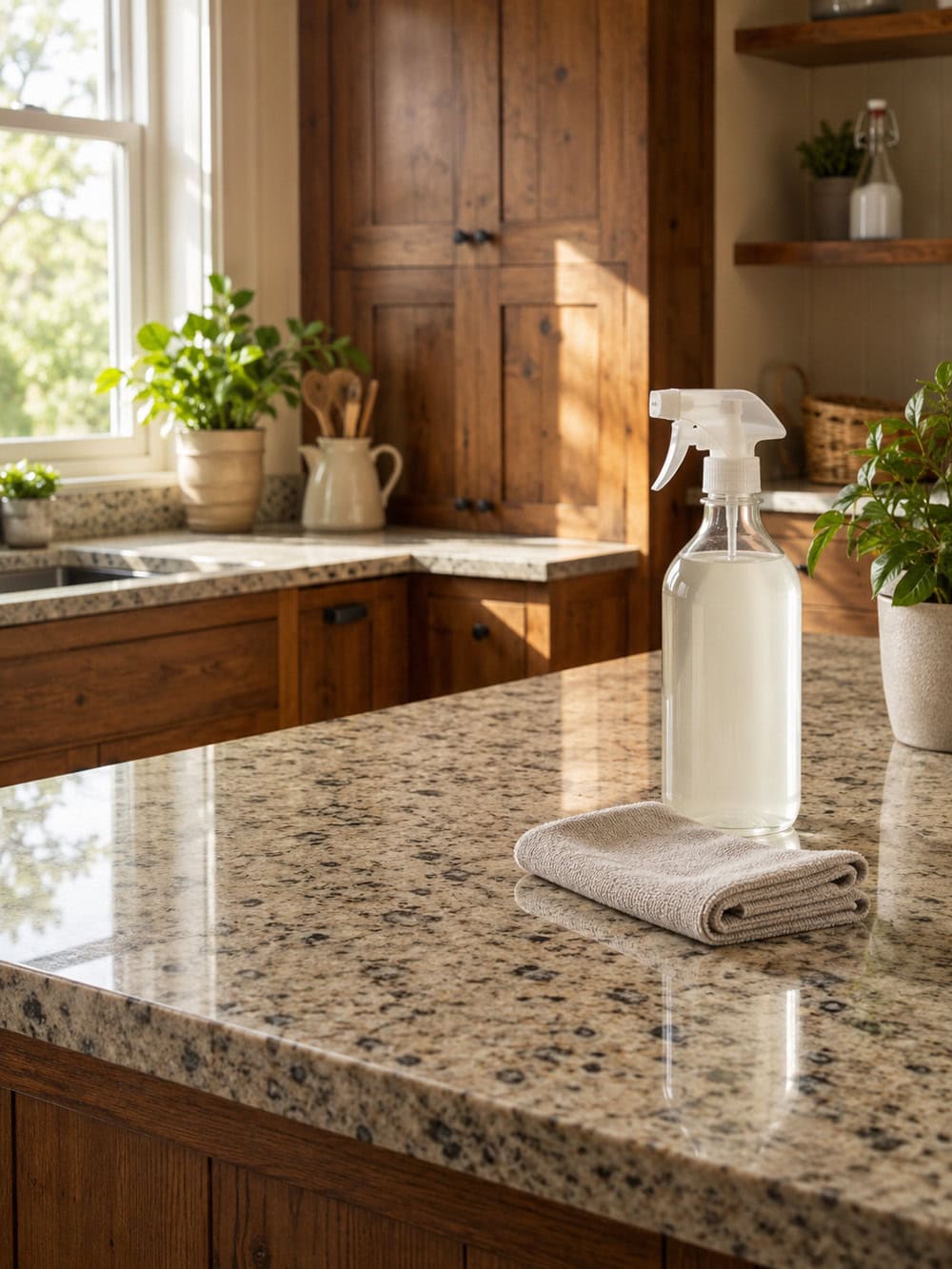
Granite and Other Sealed Stone Countertops
Granite is generally more durable than marble, but that does not mean every granite countertop is safe to clean with vinegar.
Some granite contains minerals that may react with acids. Vinegar may also affect certain sealers, impregnators or protective treatments applied to the surface.
Repeated cleaning could gradually dull the finish or weaken the protection that helps prevent staining.
The Natural Stone Institute cautions that some granite species and sealers can be attacked or discolored by mild acids such as vinegar.
What to Use Instead
Clean granite with warm water, a small amount of mild dish soap and a soft microfiber cloth.
For regular cleaning, use a pH-neutral product made for sealed natural stone.
Wipe up spills promptly and avoid leaving any acidic product sitting on the surface.
When you are unsure whether your counter is granite, quartzite, marble or another material, check with the installer or manufacturer before trying a homemade cleaner.
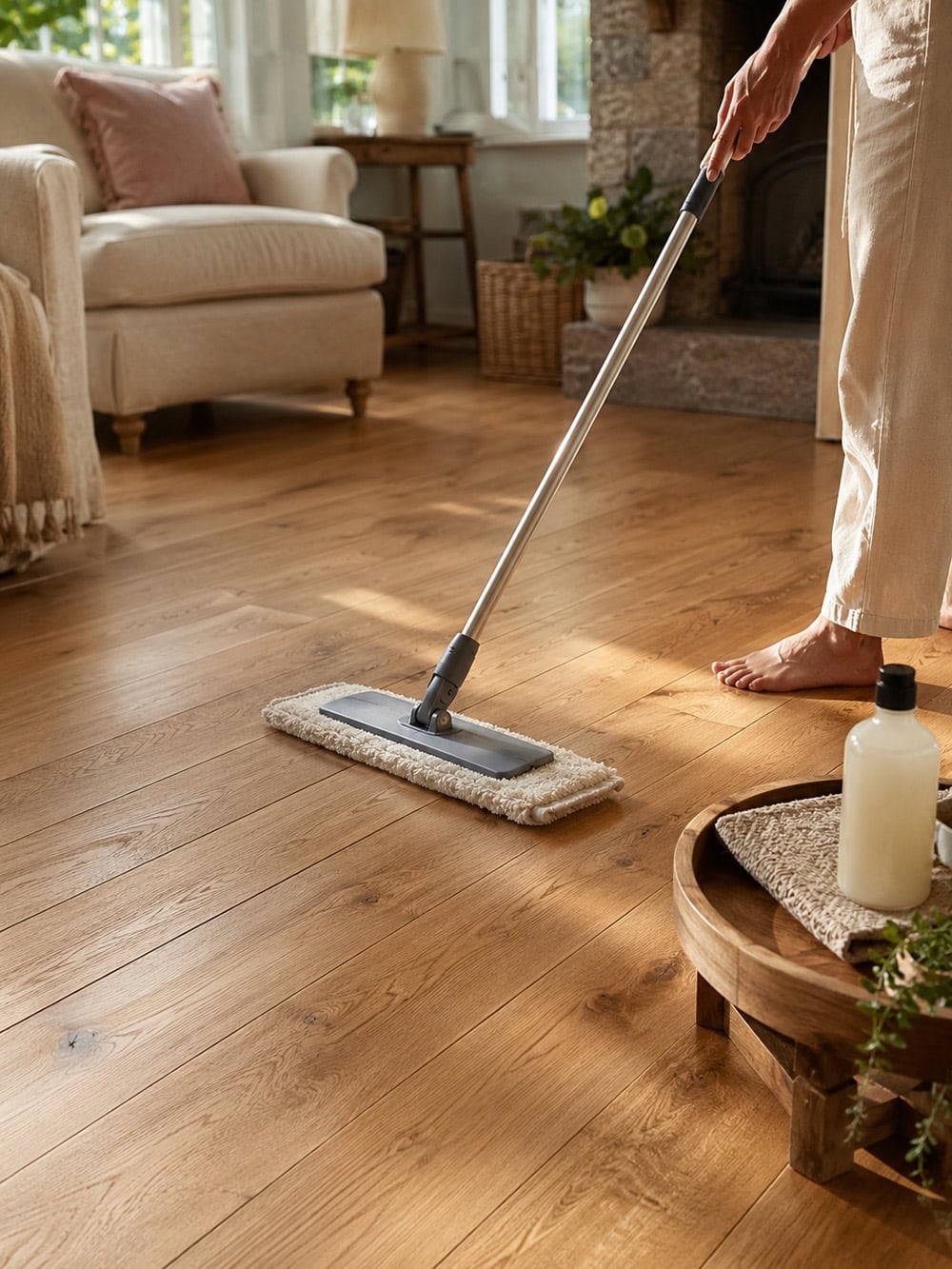
Hardwood and Engineered Wood Floors
You may have seen recipes recommending vinegar and water for wood floors, but many flooring manufacturers advise against it.
Vinegar’s acidity can dull or degrade modern floor finishes over time. Too much cleaning liquid can also seep between boards and cause additional damage.
Bruce Hardwood Floors warns that vinegar can dull some hardwood finishes, damage the floor’s seal and degrade engineered wood finishes with repeated use.
What to Use Instead
Sweep or vacuum regularly using a setting appropriate for hard floors.
For deeper cleaning, use a barely damp microfiber mop and a cleaner recommended by the flooring manufacturer.
Do not saturate the floor.
The safest cleaner is not always the one with the shortest ingredient list. It is the one that is specifically designed for the finish on your floor.
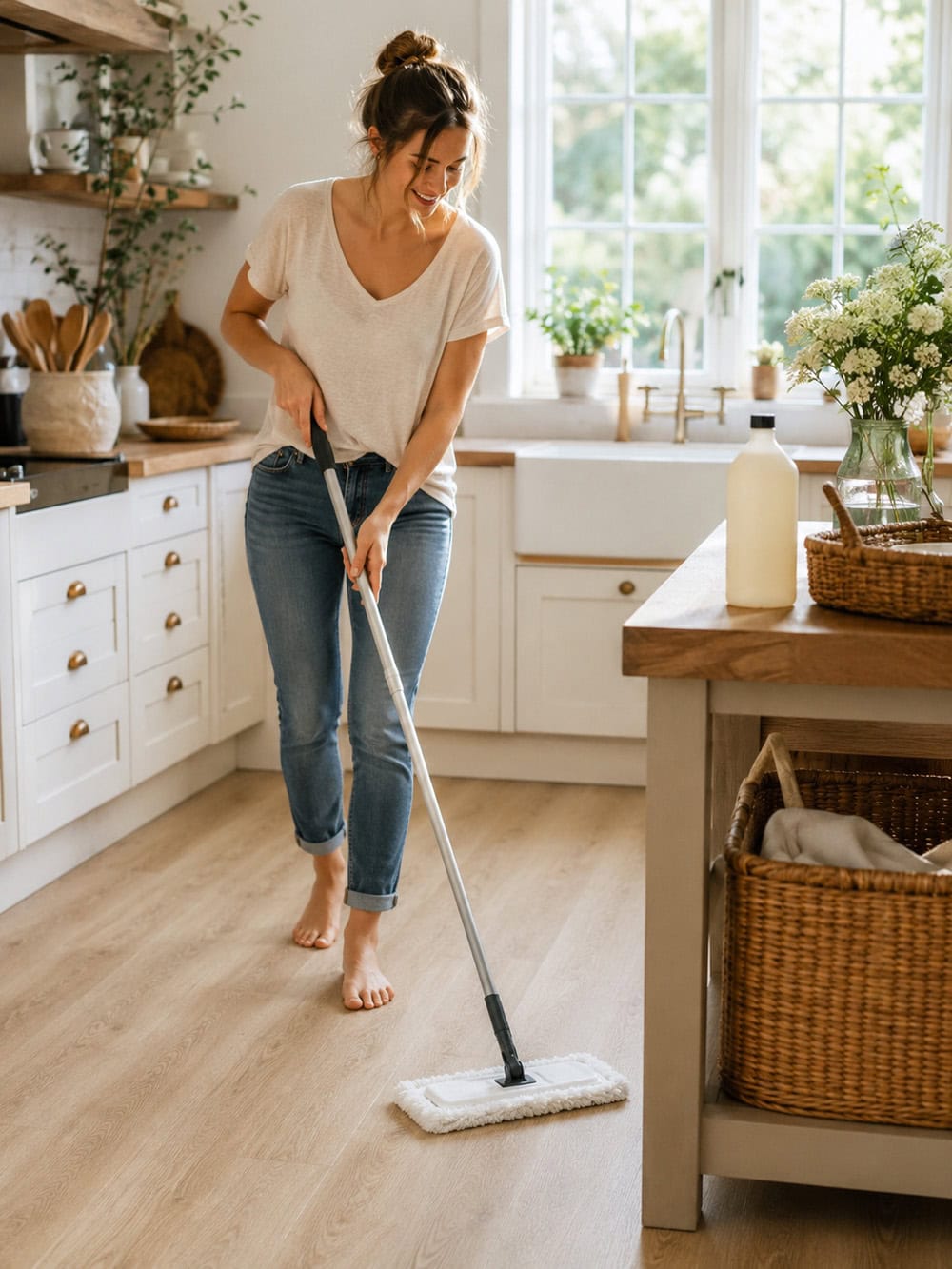
Luxury Vinyl and Resilient Vinyl Flooring
This one surprised me!
Vinegar is frequently recommended for vinyl floors, but some flooring manufacturers specifically say not to use it.
The acid may gradually damage the protective surface because vinegar is not pH balanced. It can also leave floors looking dull rather than fresh and clean.
Shaw Floors advises against vinegar-based products on luxury vinyl and resilient vinyl flooring because they may damage the surface over time.
What to Use Instead
Begin with dry sweeping or vacuuming.
Use a damp mop with a pH-neutral floor cleaner that is approved for your particular type of vinyl.
Avoid soaking the floor, using abrasive scrubbers or applying wax unless the manufacturer specifically recommends it.
If you still have the paperwork that came with your flooring, this might be the perfect time to take a quick peek at it.
Tile Grout
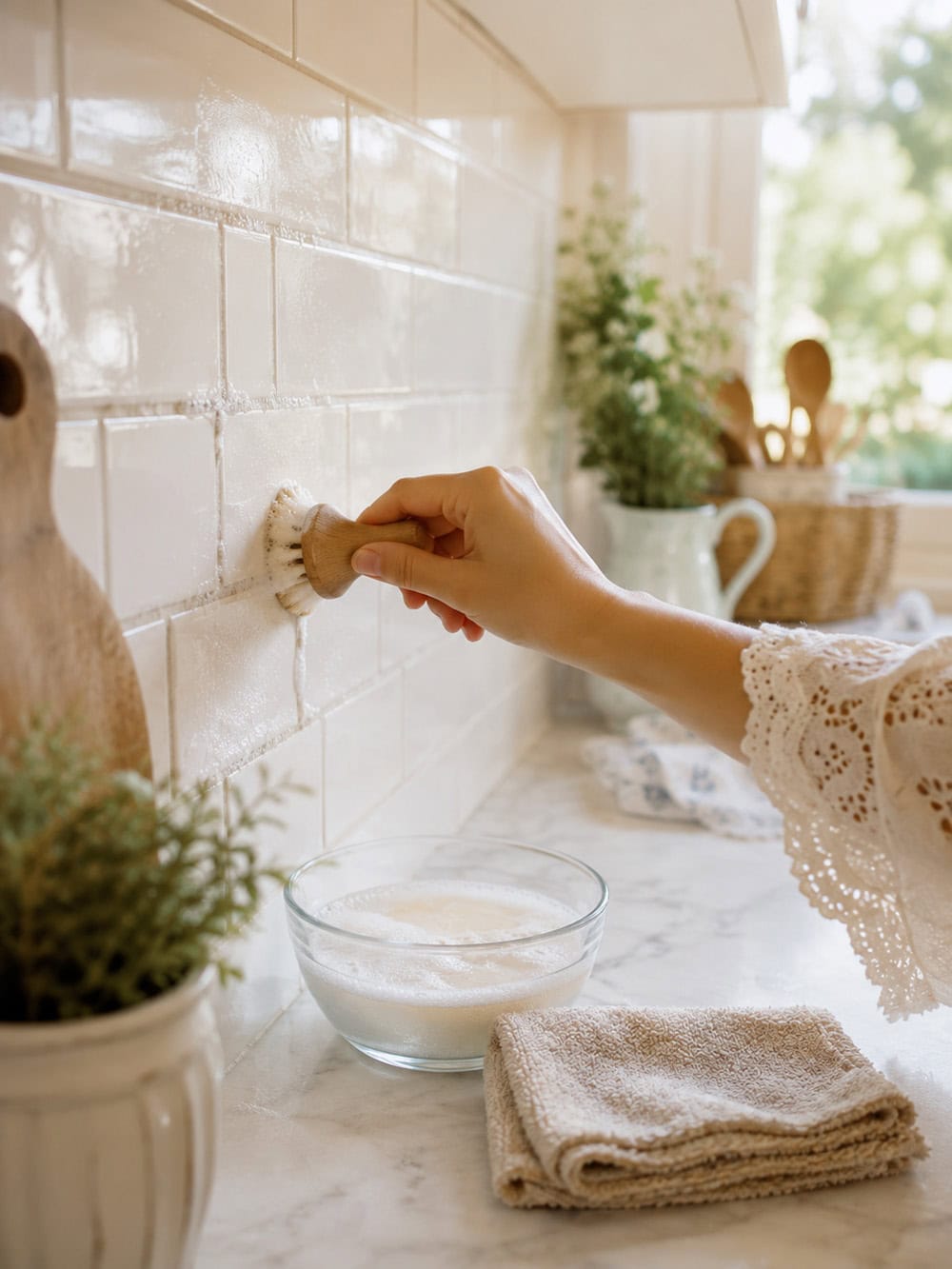
Vinegar can make tile look shiny, but it is not a good choice for routine grout cleaning.
Grout is porous, and frequent exposure to acid can gradually discolor or weaken cement-based grout.
This is especially important in showers, kitchen backsplashes and tiled floors that are cleaned regularly.
MAPEI explains that occasional vinegar use may not damage porcelain or ceramic tile with cement grout, but frequent use can discolor and weaken the grout. It should not be used for routine maintenance.
What to Use Instead
For regular cleaning, use warm water and a pH-neutral tile and grout cleaner.
A soft grout brush can help loosen dirt without eating away at the grout itself.
If grout is deeply stained, you may need a cleaner made specifically for that type of grout or advice from a tile professional.
Also remember that a cleaner safe for ceramic tile may not be safe for the stone tile beside it.

Televisions, Computers, Tablets and Phone Screens
Please do not spray vinegar directly onto an electronic screen.
Many modern screens have delicate protective or anti-reflective coatings. Household cleaners may damage those coatings, and excess liquid can seep into openings around the screen.
Apple advises against using household cleaners on displays and recommends a soft, lint-free cloth, following the cleaning directions for the specific device.
What to Use Instead
Turn off and unplug the device whenever possible.
Begin with a clean, dry microfiber cloth.
For stubborn smudges, follow the manufacturer’s directions. Some devices can be cleaned with a cloth slightly dampened with water, while others may permit certain alcohol wipes.
Never spray liquid directly onto the device.
Apply the approved liquid to the cloth first, using as little moisture as possible, and keep all liquid away from ports and openings.
The Inside of Your Washing Machine
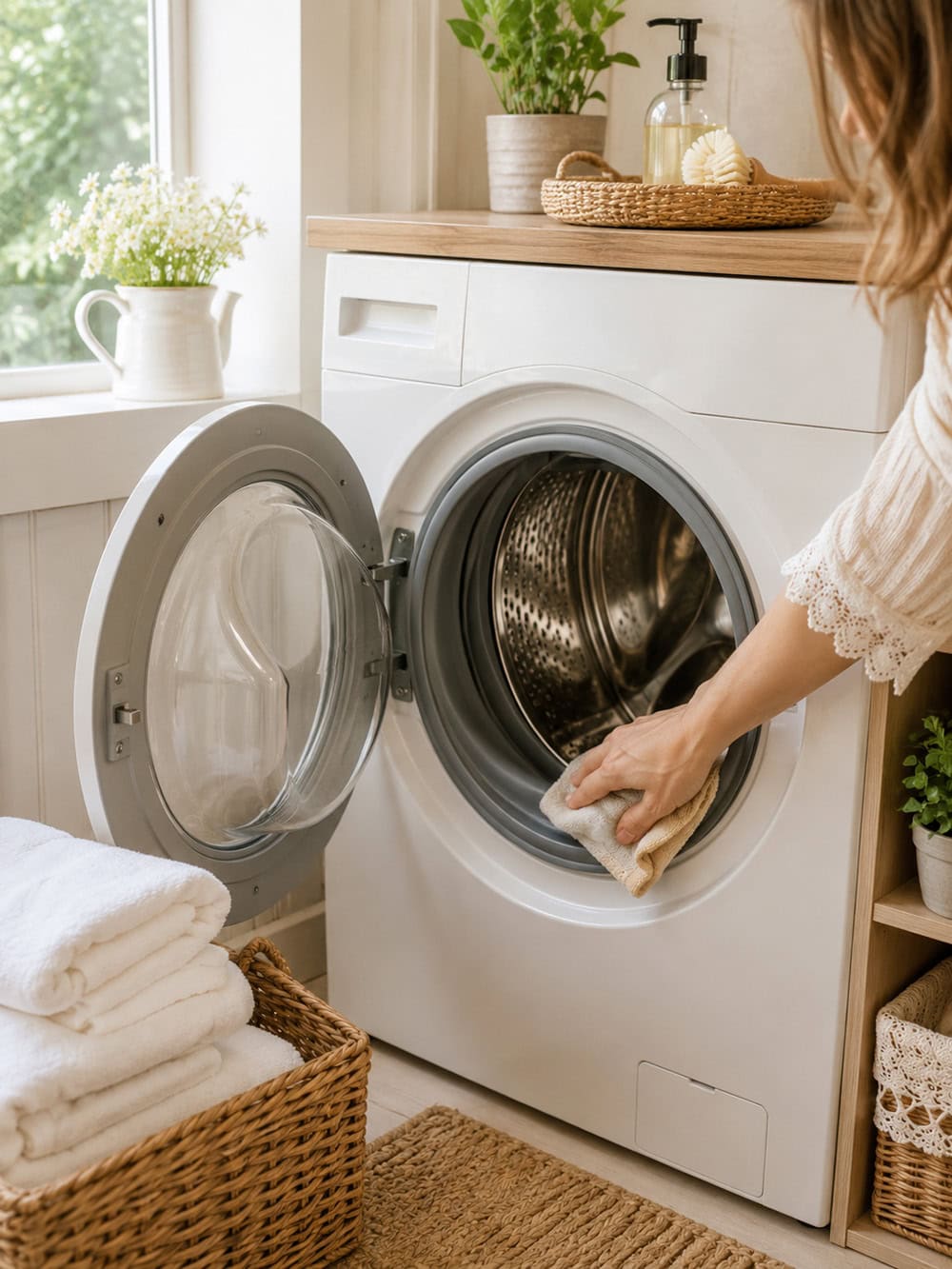
Running vinegar through the washing machine has become an extremely popular household tip.
Unfortunately, some appliance manufacturers warn that repeated exposure to vinegar can damage rubber seals, hoses and other internal components.
Maytag and Whirlpool both advise against pouring vinegar into the washing machine drum because its acidity may weaken rubber components and hoses over time.
That inexpensive cleaning hack may not feel very inexpensive if it contributes to a leaking hose or damaged seal.
What to Use Instead
Check the washing machine’s instruction manual for the recommended cleaning cycle and cleaning product.
Many machines have a special tub-cleaning setting.
Clean exterior surfaces with a damp cloth and mild soap. For the door gasket, follow the manufacturer’s instructions and dry the folds thoroughly after cleaning.
Leaving the washer door or lid slightly open between loads, when it is safe to do so, can also allow the interior to dry.
Dishwasher Seals and Frequent Dishwasher Cleaning Cycles
This one requires a little explanation.
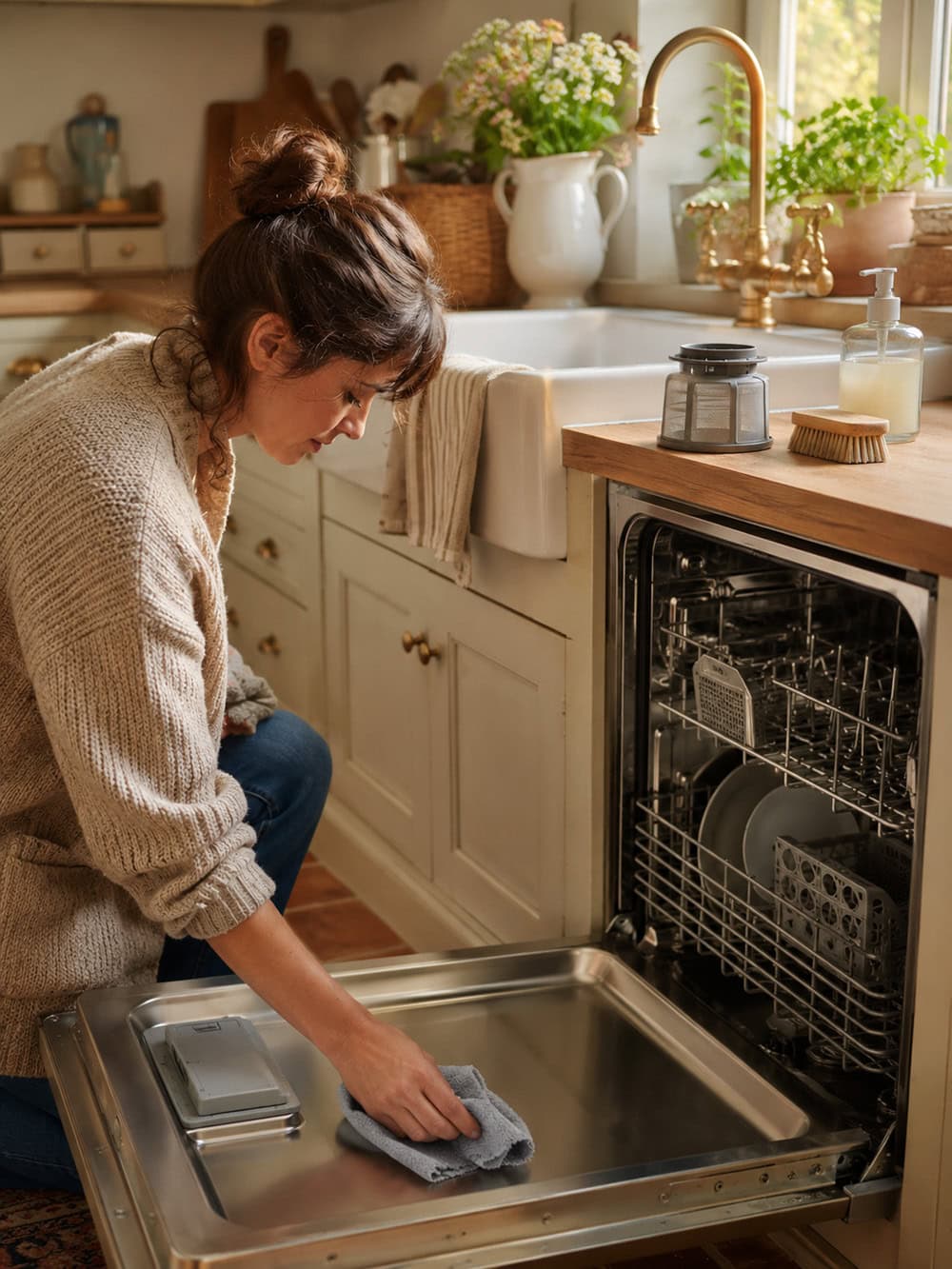
Some dishwasher manufacturers allow occasional cleaning with vinegar. Others recommend a special dishwasher cleaner.
Even manufacturers that permit vinegar may warn that using it too frequently could damage the appliance.
Vinegar should not be poured directly over rubber door seals, hoses or other sensitive parts. Maytag advises cleaning dishwasher seals with warm water or mild detergent and notes that frequent vinegar use may damage the dishwasher.
What to Use Instead
Clean the filter according to the manufacturer’s directions.
Wipe the door seal with warm water and a soft cloth, or use mild detergent when approved.
Use a dishwasher-cleaning product recommended for your machine.
When your manual specifically allows vinegar, follow the exact amount, placement and frequency it provides. Do not pour vinegar into random compartments and hope for the best.
Steam Irons and Steam Generators
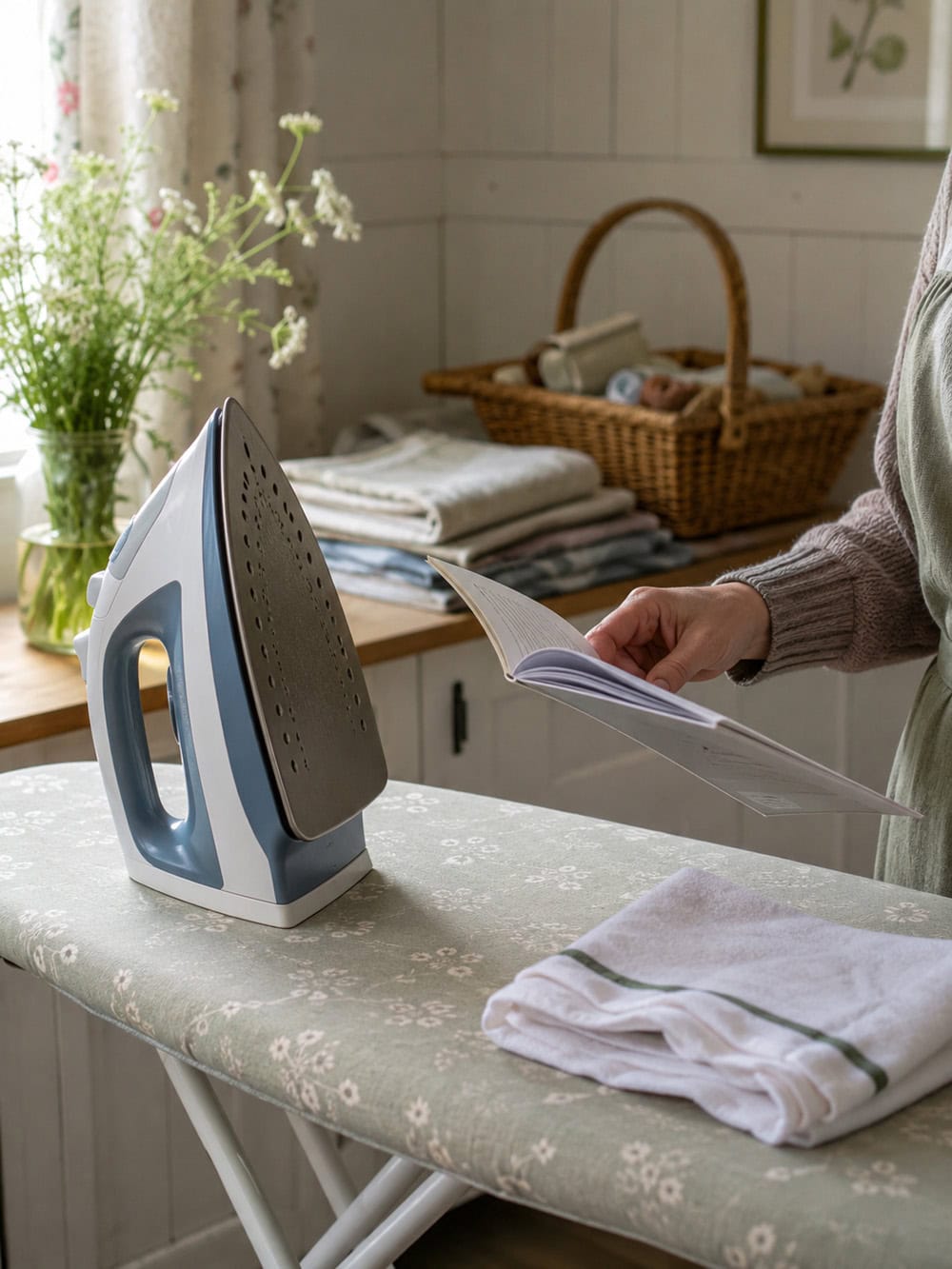
It sounds logical to pour vinegar into an iron to dissolve mineral buildup.
For some models, however, this can damage the internal boiler, water tank or steam system.
Rowenta warns users of certain steam-generator models never to use vinegar or a descaling agent inside the boiler because it could damage the appliance.
This is why appliance instructions matter so much. A method that works for one model may damage another.
What to Use Instead
Follow the descaling instructions for your exact iron.
Some models have a self-cleaning function or a removable scale collector. Others require a manufacturer-approved descaling product.
Clean the cool soleplate with a damp cloth or nonabrasive sponge unless your manual recommends another method.
Never pour any cleaner into the water tank without checking first.
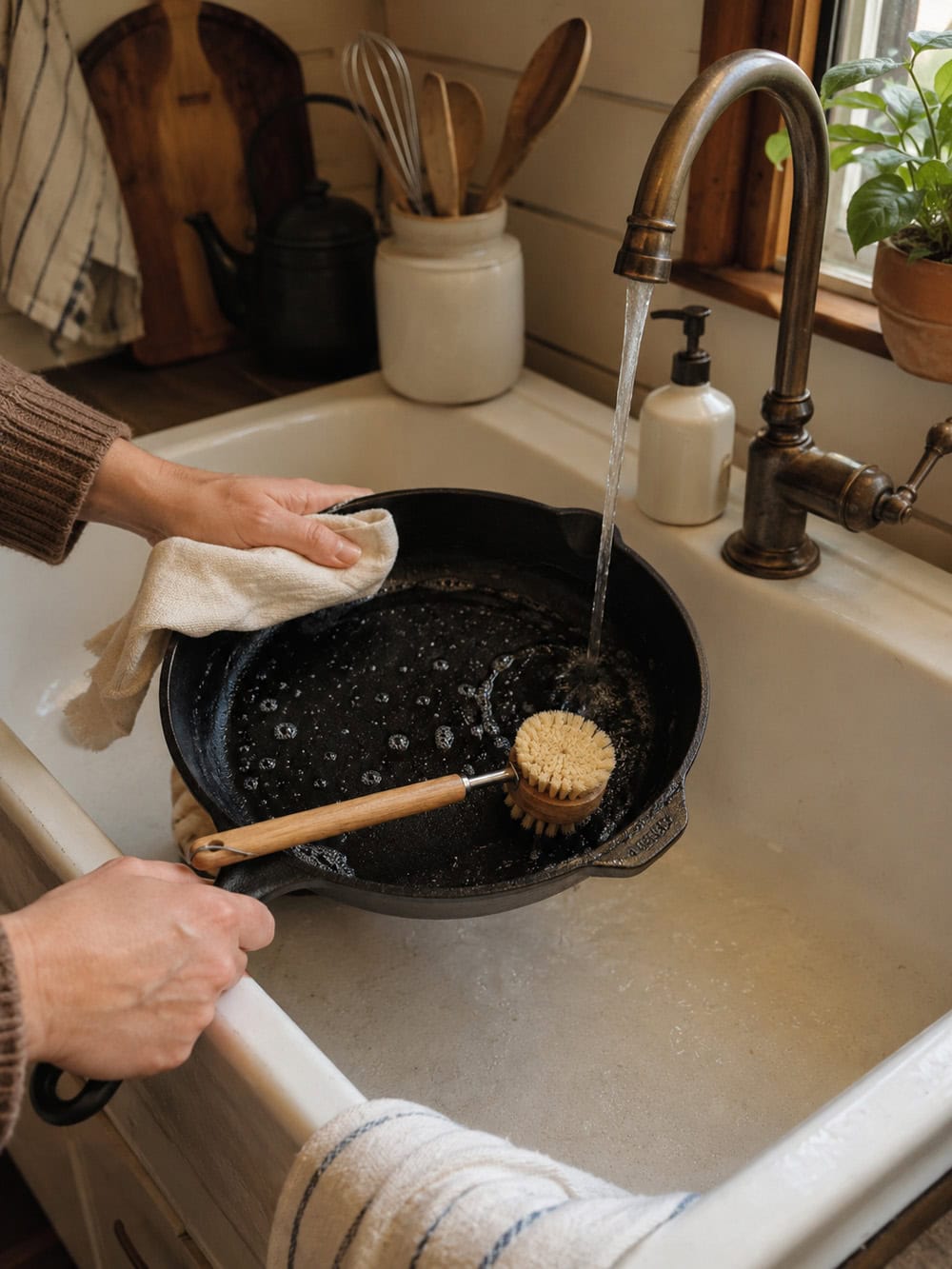
Seasoned Cast-Iron Cookware
Vinegar can be useful when restoring a severely rusted cast-iron pan, but it should not be used as an everyday cleaner.
Acid can break down the layer of seasoning that gives cast iron its darker surface and helps protect it from rust.
Lodge Cast Iron explains that prolonged exposure to acidic ingredients can affect the pan’s seasoning and recommends limiting the amount of time acid remains in contact with traditional cast iron.
This warning applies to traditional seasoned cast iron. Enameled cast iron is a different material and should be cleaned according to its own care instructions.
What to Use Instead
Wash seasoned cast iron with warm water, a small amount of mild dish soap and a nonabrasive brush or sponge.
Dry it immediately and thoroughly.
Apply a very thin layer of cooking oil when needed to maintain the seasoning and help prevent rust.
Never leave traditional cast iron soaking in water or vinegar.

Bras, Swimsuits and Clothing With Elastic
Vinegar is sometimes recommended as a fabric softener or odor remover, but it may not be a good choice for clothing containing elastic.
Repeated exposure to acid can potentially weaken elastic fibers in bras, swimsuits, leggings and athletic wear.
Whirlpool notes that vinegar may damage elastic and advises following the garment’s care label. It also warns against placing vinegar directly into washing machines.
What to Use Instead
Follow the garment label.
Wash bras, swimsuits and stretchy athletic clothing with a gentle detergent in cool water.
Place delicate garments in a mesh laundry bag when machine washing is permitted.
Avoid excessive heat in the washer or dryer because heat can also shorten the life of elastic.
When a garment was expensive or is especially delicate, hand washing may be worth the few extra minutes.
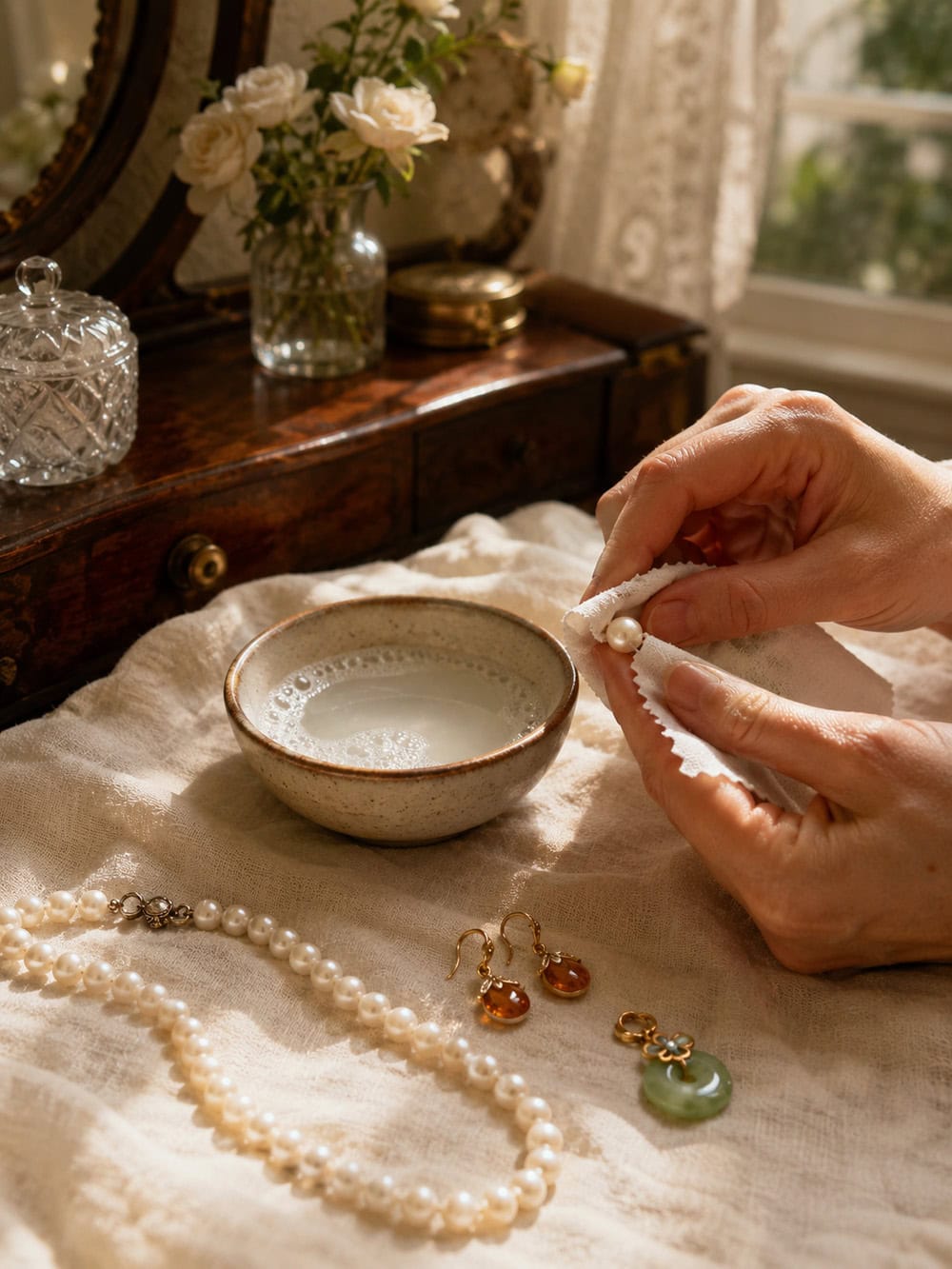
Pearls, Amber and Certain Delicate Gemstones
Please keep vinegar away from delicate jewelry.
Pearls are formed largely from calcium carbonate, which can be damaged by acid. Vinegar may dull or erode their beautiful surface.
Amber is also a soft organic gem that can be damaged by chemicals. Jade may be affected by acids, particularly when the stone has been treated.
The Gemological Institute of America recommends mild, warm soapy water for amber and notes that jade can be affected by warm acids.
What to Use Instead
Wipe pearls gently with a soft, slightly damp cloth after wearing them.
For amber and other delicate jewelry, use mild soap and warm water only when the care instructions say it is safe.
Do not soak strung pearls because water can weaken the silk or string holding them together.
When a piece is valuable, antique or sentimental, take it to a professional jeweler rather than experimenting with a homemade cleaning solution.
Good to Know
A Few More Places to Be Careful
Vinegar may also damage certain painted, coated or specialty appliance finishes.
Acidic spills should be wiped from ranges and ovens once the appliance is cool because they may affect the finish.
Use extra caution with:
- Painted furniture
- Lacquered surfaces
- Antique finishes
- Waxed wood
- Specialty metals
- Rubber gaskets
- Decorative appliance finishes
- Any surface requiring a pH-neutral cleaner
When you are unsure, test the cleaner in a tiny hidden area and wait until it is completely dry before continuing.
Better yet, check the manufacturer’s cleaning instructions.
Good to Know
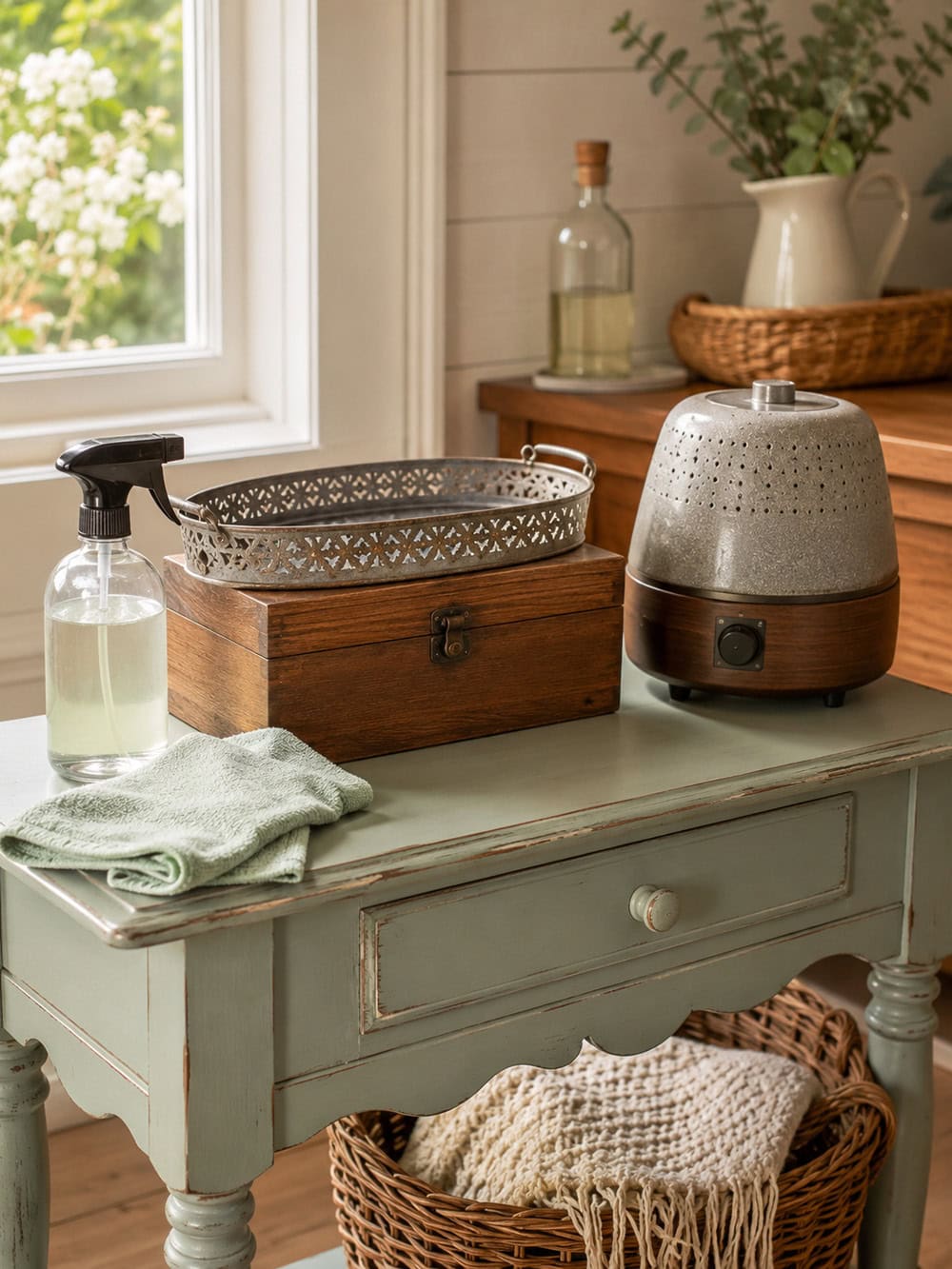
Never Mix Vinegar With Bleach
This is extremely important.
Never mix vinegar with chlorine bleach or any cleaner containing bleach.
Vinegar is an acid. Combining an acid with bleach can release dangerous chlorine gas, which may irritate or injure the eyes, nose, throat and lungs.
Do not mix household cleaning products unless the product labels specifically say it is safe.
More cleaner does not mean more cleaning power.
Sometimes it simply means more fumes, more residue or more risk.

Good to Know
The Safest Cleaning Rule
Vinegar can still be a useful and budget-friendly product.
The point is not that vinegar is bad.
The point is that no single cleaner is right for every surface .
Before trying a cleaning recipe you see online, ask three simple questions:
- What material am I actually cleaning?
- What does the manufacturer recommend?
- Could acid damage the finish, seal or coating?
A little checking can prevent a very expensive mistake.
Warm water, mild dish soap and a soft microfiber cloth are often all we need for everyday dirt. For specialty surfaces, a small bottle of the correct cleaner is much less expensive than replacing a countertop, floor, appliance or treasured piece of jewelry.
I hope this saves you from damaging something you love!
Have you ever used vinegar on something and wished you had not? Be sure to share your experience in the comments. It might help another Cottage Market friend avoid the same mistake!
Sending you tons of love and the biggest hugs!
Andrea @ The Cottage Market
More Helpful Home Ideas
Six Similar Cottage Market Posts to Explore Next
These popular posts pair nicely with this cleaning safety guide because they focus on home care, smart household habits, saving money and making everyday routines easier.




Keep the Inspiration Going
Explore More Crafts, Cozy Roundups and Creative Ideas
There is always something new to discover here at The Cottage Market! Browse easy crafts, clever DIY projects, inspiring makeovers, cozy decorating ideas, helpful tips, delicious vegetarian recipes and all of our newest weekly roundups.
Browse DIY and Craft Ideas Explore All RoundupsVisit Your Favorite Cottage Market Corners
Do Not Miss the Freebies
More Than 4,000 Free Printables Are Waiting for You!
Print a little happiness for your home! Explore free wall art, planners, recipe cards, banners, seasonal favorites, digital papers and so much more. New printables are added regularly, so there is always something lovely waiting to be discovered.
 Browse All Free Printables
See Today’s Free Printable
Browse All Free Printables
See Today’s Free Printable
New crafts, roundups, makeovers, recipes, helpful ideas and free printables are added every week… so be sure to come back and visit again soon!


I’m really glad to have read this!