Discover 6 DIY projects that save money and the planet. From beeswax wraps to floor cleaners, embrace sustainable living
Are you looking for ways to save a buck and live more sustainably? One way to do this is by making your own DIY products at home. You can save money while reducing your carbon footprint and producing less waste. These simple projects are perfect for anyone looking to increase their self-sufficiency.

1. Beeswax Wraps
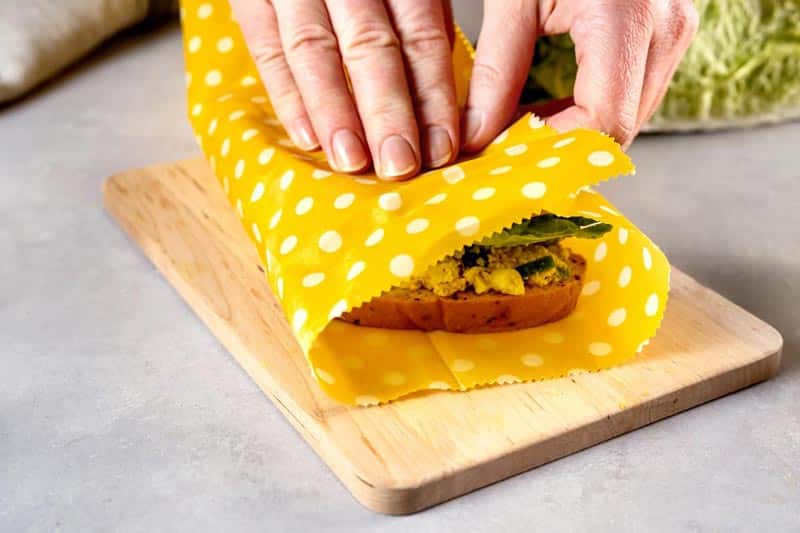
Beeswax wraps are the all-in-one antimicrobial and reusable storage solution that lessens your need for food storage containers. You can wrap veggies, fruit and bread to keep them fresh. They also work well as sandwich bags and as a replacement for cling wrap or foil when covering leftovers from your favorite casserole. They last up to a year, and when they start cracking, you can refresh them with a fresh coat of beeswax.
You can make beeswax wraps at home. Preheat the oven to 350 F, spread grated beeswax or pellets on 100% cotton fabric cut into squares, and let it melt for two minutes. Once softened, spread the wax evenly with a paintbrush. Cool and dry the fabric on a drying rack.
2. DIY Herb Stand
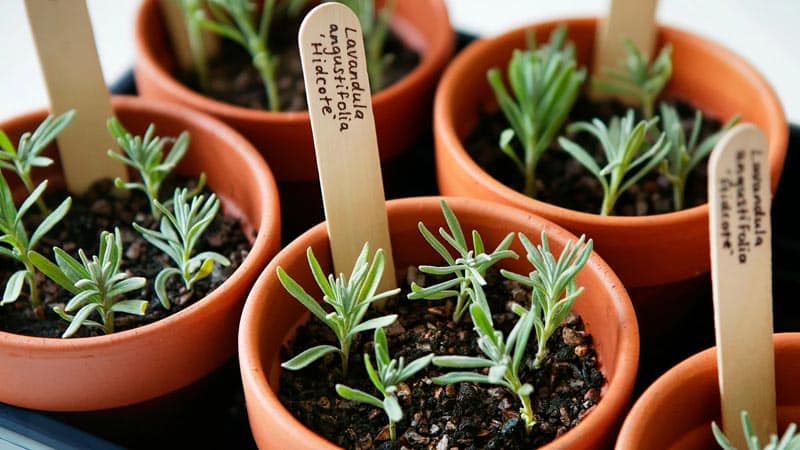
Although buying a bundle of herbs to use or plant will cost roughly the same upfront, maintaining a small herb garden on your window ledge will provide you with fresh herbs for months. That’s fewer dollars you’ll spend every week at the store.
Create your own herb stand with starter plants in containers filled with soil. Place in an area with adequate sunlight and water them regularly. You can also add decorative elements like stones or shells for visual appeal. As you gain experience, you can learn how to expand your garden by propagating your herbs. The best time to propagate is in spring or summer, so start now to learn the skill in time for the sunny seasons.
3. Laundry Detergent
Laundry detergent is one of those things you’ll always need. Why not cut costs by making your own? Natural detergents are nontoxic, and you contribute to environmental wellness by using less plastic packaging.
Grate two bars of castile soap in a food processor for a quick and efficient laundry detergent recipe. Add 3 cups each of baking soda, borax and washing soda and mix in 30-40 drops of essential oil. Pour the powdered laundry detergent into a storage jar and use ¼ cup for small loads and ½ cup for bigger ones.
If you’re a gym-goer who needs a solution to minimize sweat and odor buildup, adding white vinegar to your wash cycle will do the trick.
4. Repurposed Furniture
Rouse your inner handywoman and pull up your sleeves to repurpose old furniture into something beautiful. All it takes is some paint and tools, like stencils or wallpaper, to update your furniture. Here are some ideas:
- Turn an old dresser into a bathroom vanity or laundry cupboard.
- Repaint a chest of drawers in a neutral tone, then cover the inside with wallpaper or paint in a vibrant color. You can also use a stencil to paint flowers, swirls or a design of your choice.
- Paint the legs of your dining table or side table in an unusual color.
- Repurpose packaging crates as storage units, a side table or floating shelves on an accent wall.

5. Reusable Dryer Sheets
Save yourself from the monetary and environmental costs of commercial dryer sheets. If you’re allergy-prone, you know they can also make your skin itchy. DIY reusable versions will help. They also prevent residue from building up in your dryer that can clog the lint filter and coat the moisture sensors, preventing your clothes from drying well.
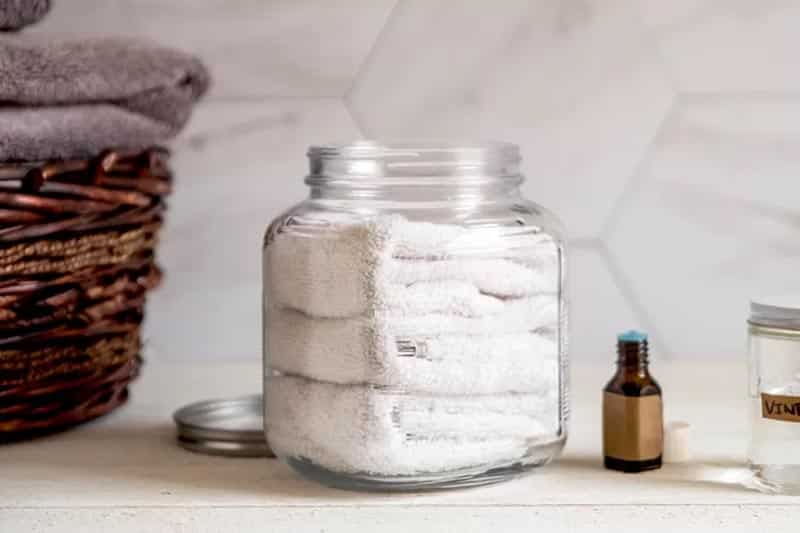
Make them by placing small towels or microfiber cloths in a container with a wide opening and adding vinegar and essential oils, ensuring they are damp but not saturated. When it’s time to dry your laundry, squeeze excess vinegar from the cloth and pop it in with the load. Add more scented vinegar as needed, replacing the cloth after each use and making a new solution every month.
6. Floor Cleaner
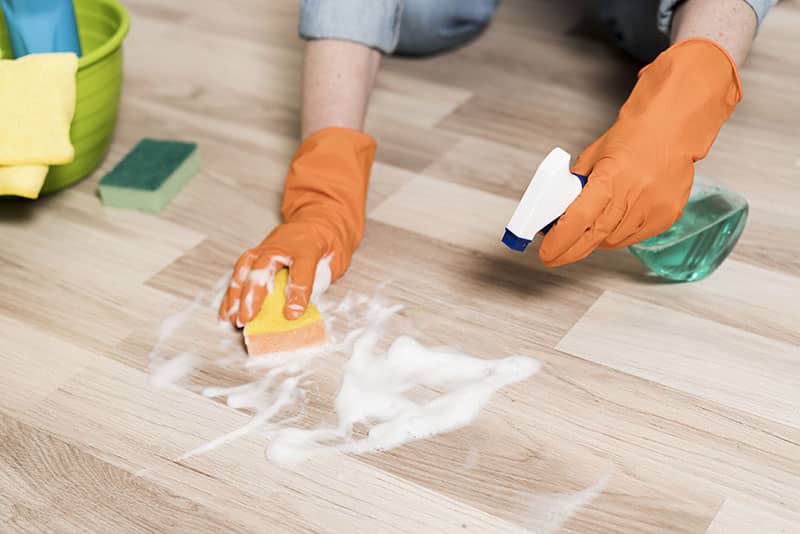
Make your own floor cleaner by mixing three parts water and one part vinegar. Ensure the solution is diluted properly, and wring your mop thoroughly before cleaning the floor. Test a small spot to be sure it won’t dull the floor’s finish. Alternatively, you can make these other cleaners depending on your floor type:
- Hardwood floors: To polish your floors and remove grime, boil three black tea bags in a pot, steep for 15 minutes and let it cool.
- Vinyl floors: Use distilled or apple cider vinegar instead of standard white vinegar.
- Laminate floors: Mix clear dish soap and water.
- Ceramic tiles: Mix water and vinegar. Clean stained grout by sprinkling it with a thin layer of baking soda and spraying with a mixture of one part vinegar and one part warm water.
Save Money With These Simple DIYs
Using natural ingredients and repurposing old materials can create better products for the environment and your health. These easy DIY projects let you say goodbye to single-use items, plastic packaging and expenses that add up, making your life much easier.
Cora’s passion is to inspire others to live a happy, healthful, and mindful life through her words on Revivalist – wholeheartedly convincing them that everyday moments are worth celebrating. Cora has spent 5+ years writing for numerous lifestyle sites – hence her sincere love for both life and the beauty of style in all things. Keep up with Cora on Twitter, Pinterest and Facebook.

| Want to stay in the know? I’d really love that! (((HUGS))) |
| Like … on Facebook | Follow … on Pinterest | Follow … on Instagram | |
 |


Leave a Reply