Renovating? Try these 7 eco-friendly home swaps to reduce waste, save energy, and create a healthier, greener space!
Renovating your home is the perfect time to make greener choices that help the planet. Small decisions can have a big impact, like the flooring you choose or the kind of paint you use. Whether doing a full overhaul or refreshing a single room, these sustainable swaps are easy wins for your conscience and create a lower carbon footprint.

1. Swap Traditional Insulation for Recycled or Plant-Based
Go green with insulation and correctly dispose of fiberglass layering. By not supporting irresponsible manufacturers with your business, you can use alternatives. Consider treated cellulose — made from recycled fabric and paper — a natural rat repellent for your crawlspaces.

2. Choose Engineered Over Solid Wood
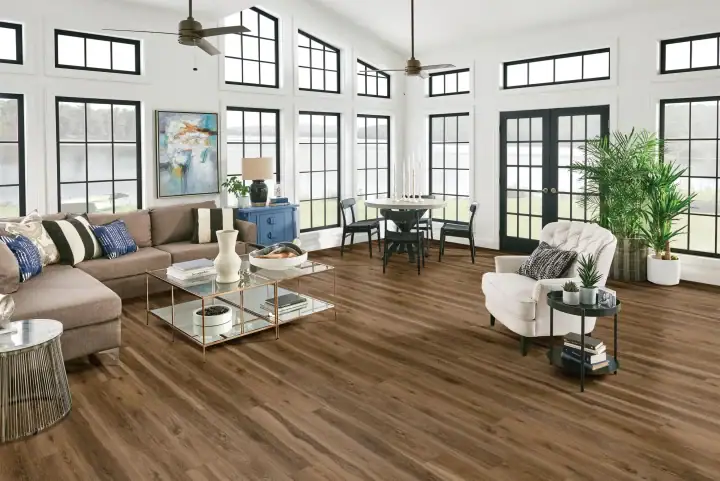
Artificial wood looks the same, lasts as long — at least 50 years with proper care — and provides the same warmth and quality. These floors have a natural appearance but a layered core and only a thin veneer of real hardwood on top.
This approach reduces the demand to log native trees while using fast-growing or recycled materials better. Veneer floors are also more water-resistant, less prone to warping and far more affordable, which is a boon when renovating.
3. Pick Low-VOC Paints
Paint manufacturing and improper recycling of waste paint chemicals contribute significantly to air pollution, releasing harmful chemicals known as volatile organic compounds (VOCs). However, with a focus on choosing eco-friendly paints with VOCs below 50 grams per liter or per 34 ounces, you can give your home a glorious, guilt-free color coating.
Technology is constantly changing, and soon, photocatalytic paints may hit the market. They help oxidize methane emissions and also neutralize other VOCs.

4. Upgrade to LED Lights
Change your standard lights to light-emitting diode (LED) lights to enjoy a longer lifespan and reduced electrical bills. LEDs are one of the best ways to do your bit for the planet. They last 25 times longer than other bulbs and use 75% less energy, so you don’t rely on the national grid as much.
Using less electricity means less fossil fuel consumption on the power station’s end. Imagine the potential savings if an entire city changed to LEDs.

5. Opt for Reclaimed or Recycled Materials
Many materials already in circulation have a second life left in them. Sourcing these and breaking the production cycle with all its pollutants is a wise way to recycle. Visit thrift stores and salvage yards to find items like tiles, taps and framing for your home project. These often only require a good cleaning, surface treatment and a large enough vehicle to transport them.
Old barns, factories and wineries are ideal sources for innovative material repurposing. Plus, adding these creates a unique look you’ll treasure for years.

6. Reduce Your Water Usage
Low-flow showerheads and dual-flush toilets are gaining popularity, so you’ve hopefully invested in these for your renovation. What about leaky taps, though? A fast-dripping faucet can waste half an ounce of water per minute at a rate of a drop per second, which is almost six gallons per day.
It often requires nothing more than some plumbers’ tape to eliminate leaks. Do a whole property inspection and ensure none of your interior or exterior taps leak, as well.

7. Use Natural Fabrics
When you pick rugs, curtains or upholstery, choose natural fibers over synthetic ones. Natural cotton, linen, hemp, wool or leather break down much easier when they’ve reached the end of their life cycle than blends like polyester or acrylics. Petroleum-based materials like satin shed microplastics when exposed to friction, such as when washing.
Even visitors sitting on your sofas or closing curtains can strain the pile and produce invisible plastic threads. These microplastics are bad for you and the world around you, and 35% of these fibers in waterways are from textile production.

Renovation Revivals
This is your chance to build a beautiful and better home for the planet. These eco-friendly swaps make it easy to reduce waste, save energy and create healthier living spaces. You don’t have to give up comfort or style — a few wise choices add up to a greener future tomorrow.
Cora’s passion is to inspire others to live a happy, healthful, and mindful life through her words on Revivalist – wholeheartedly convincing them that everyday moments are worth celebrating. Cora has spent 5+ years writing for numerous lifestyle sites – hence her sincere love for both life and the beauty of style in all things. Keep up with Cora on Twitter, Pinterest and Facebook.

| Want to stay in the know? I’d really love that! (((HUGS))) |
| Like … on Facebook | Follow … on Pinterest | Follow … on Instagram | |
 |

Leave a Reply