Discover 8 creative kids bedroom makeover ideas to design a playful, functional, and inspiring space your child will love.
Designing your child’s bedroom goes beyond aesthetics. It sets the foundation for how they learn, rest and express themselves. Every choice — from furniture to color — can shape their development and happiness. You don’t need a massive budget or professional background to create a space your child will love. What you need is intention, creativity and a few smart strategies.

1. Create Zones for Play, Study and Rest
Try creating vertical separation in compact rooms by using loft beds that leave space underneath for desks or toy bins. Rugs or bookshelves can create visual boundaries in larger areas. Place a small table near a window for studying or create a cozy corner with floor cushions for reading. Keep the bed area clear to maintain a distraction-free zone for rest.

2. Incorporate Interactive Wall Features
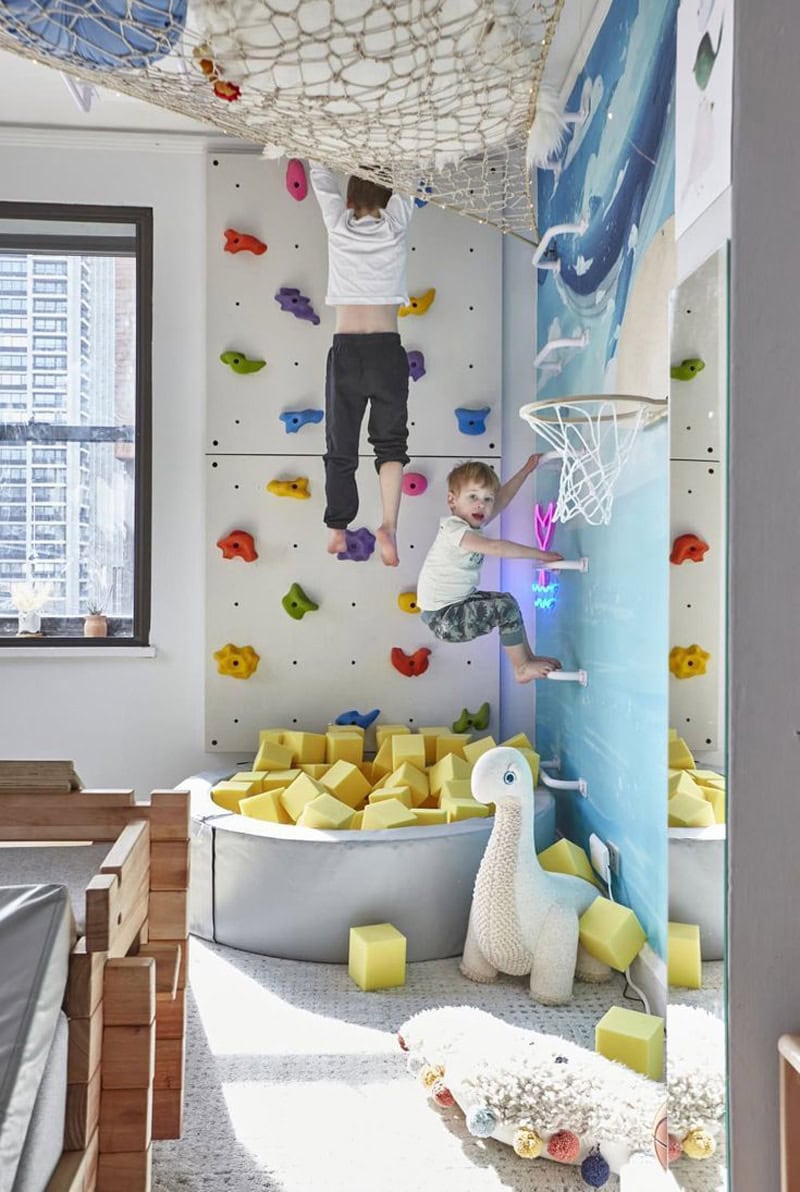
Walls can do more than hold art. They can become tools for creativity and learning. Chalkboard paint turns any surface into a reusable drawing canvas. Magnetic boards allow kids to play with letters, shapes and puzzles. Think about removable decals, which add fun visuals without permanent commitment, making it easy to update as interests change. Use a mix of materials to provide both texture and function, keeping the wall space active and engaging without clutter.
3. Prioritize Safety and Sustainability
Choose materials that protect your child and the planet with equal care. Eco-friendly furniture, made of solid wood and natural fabrics, is built to last longer so your child can enjoy it for years to come. The production and consumption of green furniture can also lower environmental impacts like deforestation and carbon emissions. These mindful choices bring peace of mind and help your child appreciate responsible living from the start.
4. Use Multifunctional Furniture
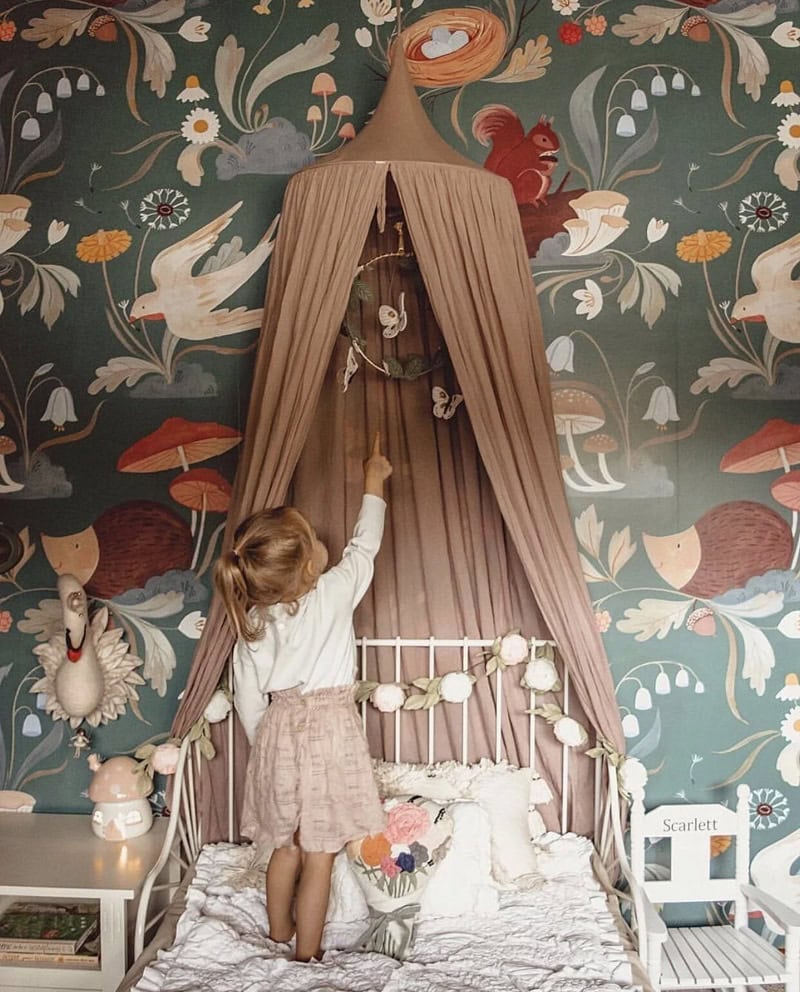
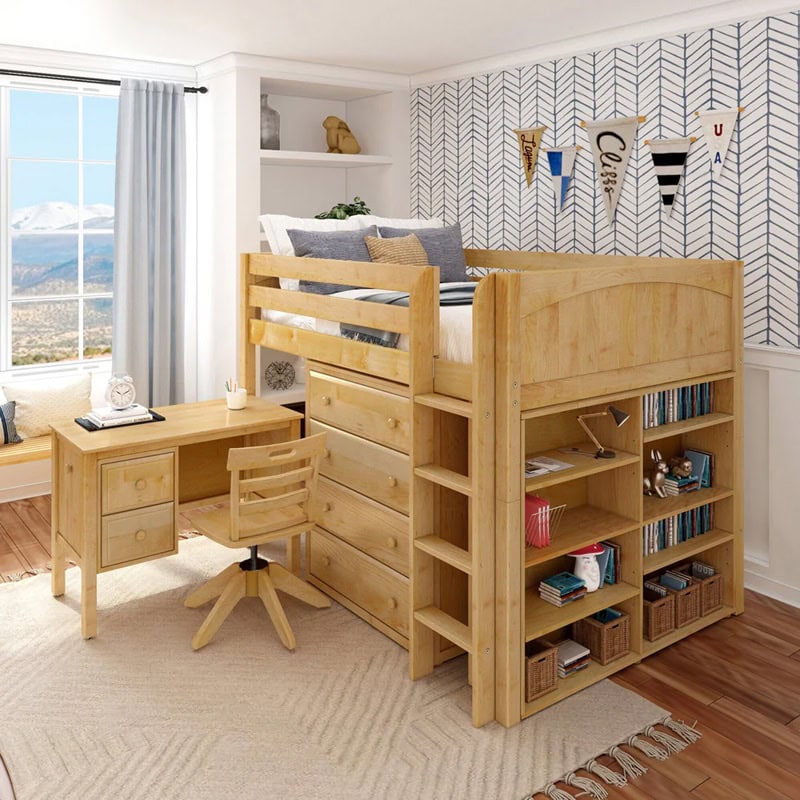
Smart furniture choices make the most of every square foot. Beds with built-in drawers or shelves reduce the need for extra storage units. Convertible desks can double as crafting stations or homework zones. Modular shelving grows with your child, adapting as needs change. These pieces support organization while freeing up floor space for movement and play. Consider placing storage at a kid-friendly height to encourage tidiness without adult help. When every item serves multiple roles, you gain flexibility without losing comfort.
5. Add Personal Touches and DIY Decor
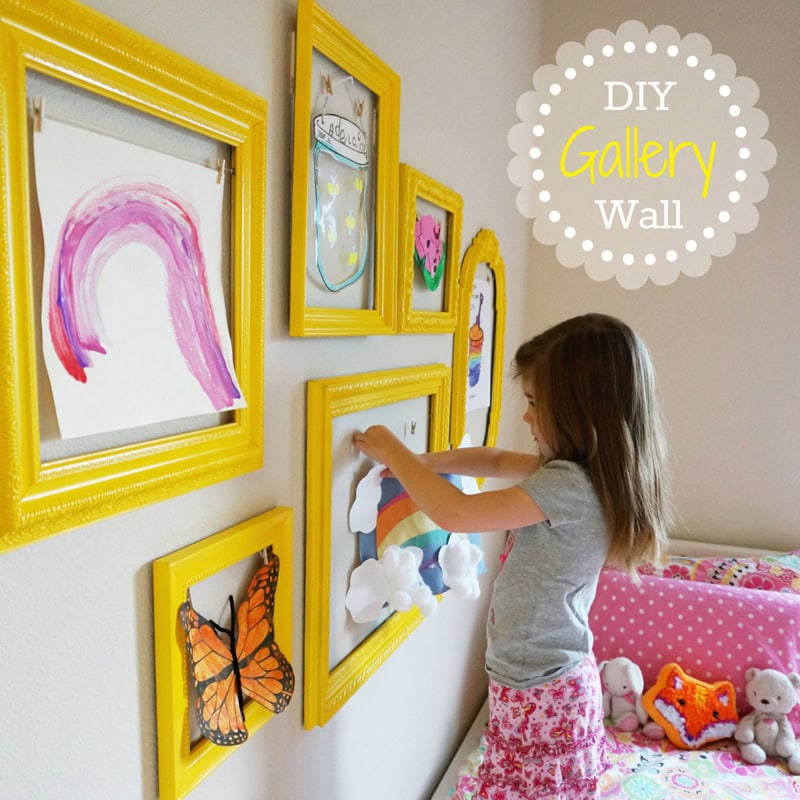
Let kids take part in shaping their environment. Simple projects like painting their initials or stringing photo displays can make them feel part of the process. Craft sessions can become treasured memories, and the finished pieces make the room feel more like theirs. What about framing their drawings or letting them decorate jars for holding art supplies? These personalized details make the space more authentic. Even small changes — like letting them choose a lampshade — help create a room that reflects their spirit.
6. Choose a Playful Color Palette
Color shapes how kids feel and respond to their surroundings, so it’s worth planning before painting. Red works well in active areas since it boosts energy and creativity in small doses. Yellow brings warmth and curiosity, making it great for learning spaces. Blue helps kids feel calm and focused, while green promotes balance and emotional ease. You can blend these shades across walls, bedding and decor. Since around 80% of human sensory impressions come from sight, the color palette strongly impacts how they experience their space.
source
7. Bring in Nature and Sensory Elements
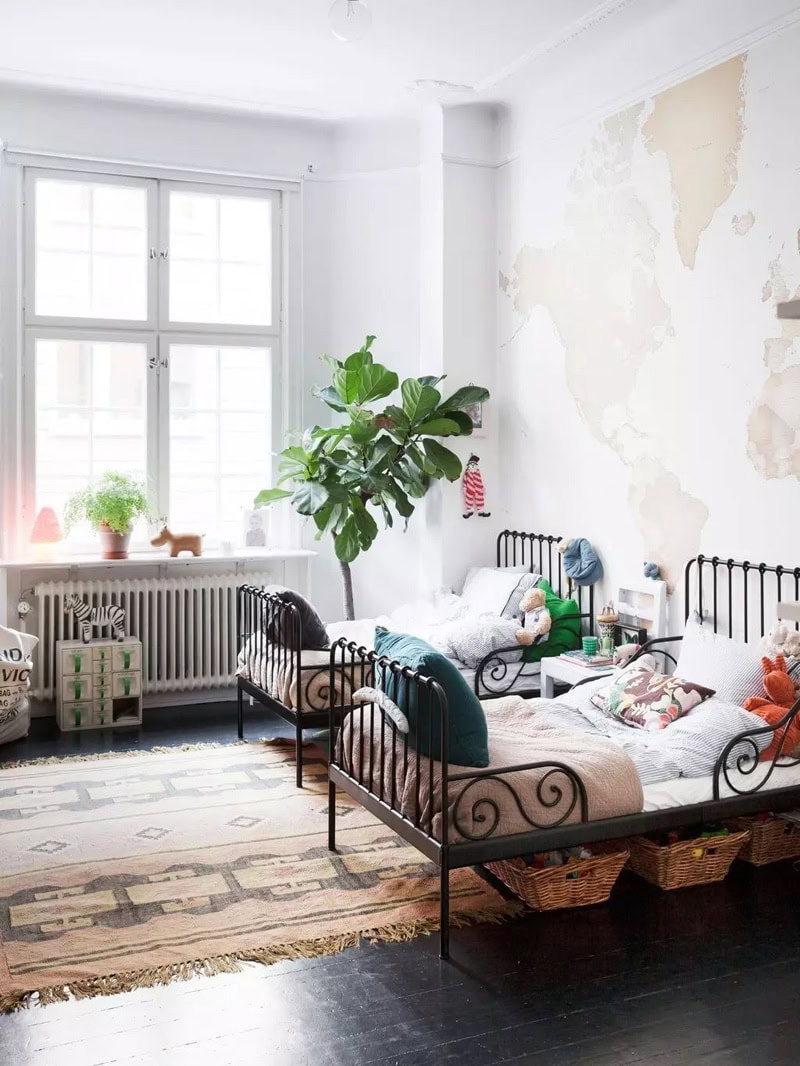
Add a few potted plants to bring freshness and life into the room, or set up the bed near a window to take advantage of daylight. Brightly lit spaces can elevate your mood and reduce stress. Understanding the effects of architectural structures on human health and well-being helps guide decisions that support comfort and safety. You can work with a designer to create spaces that influence behavior, mood and overall happiness by using elements like lighting, color and layout.
8. Display Books and Toys Creatively
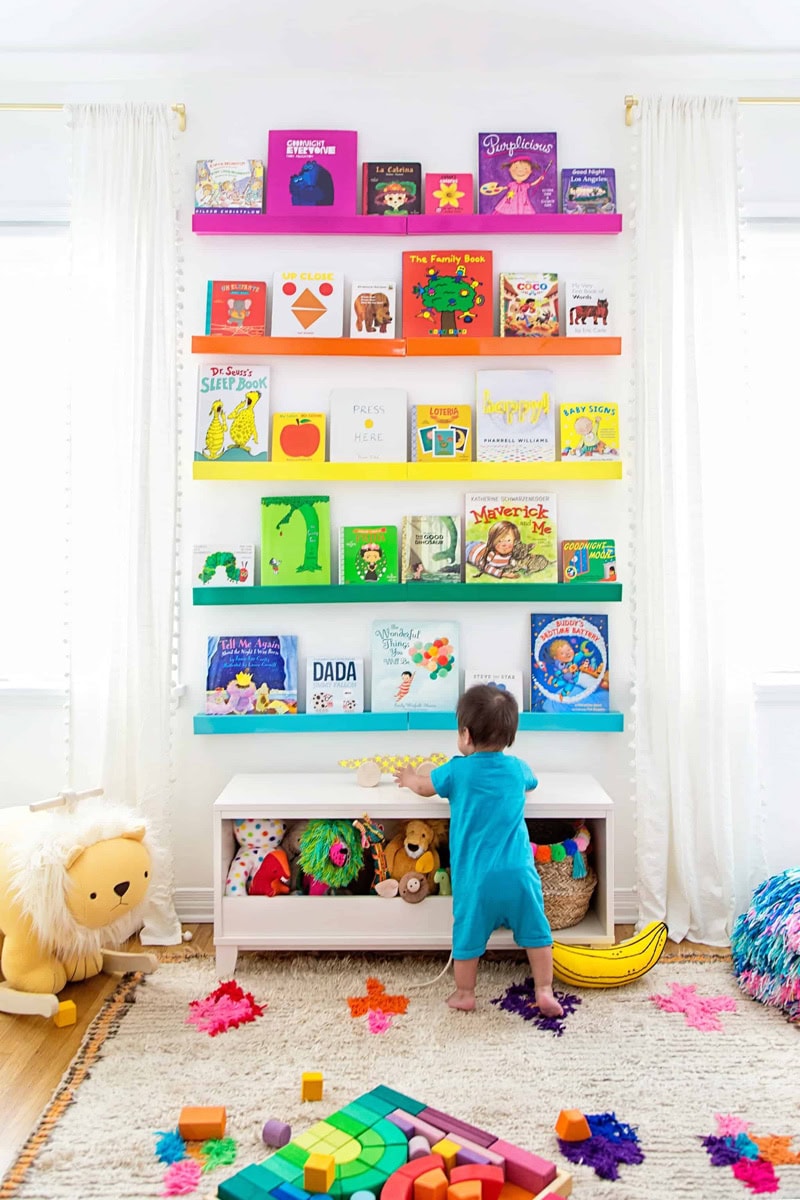
The way you organize books and toys can encourage curiosity. Instead of hiding items in bins, try low open shelving or front-facing book racks so your child can see and reach their favorites. Rotating displays based on seasons, holidays or new interests keeps things fresh without buying more. Clear containers, labeled drawers and themed baskets turn cleanup into a simple routine. Use the walls too — hang small cubbies or floating shelves to showcase treasures or artwork.
Making It Their Own
Your child’s bedroom should reflect who they are and who they’re becoming. Mixing function, creativity and safety allows you to create a space that supports growth and joy. Start simple and build from there, always keeping your child involved. Their room should feel like a part of them — fun, inspiring and entirely theirs.
Cora’s passion is to inspire others to live a happy, healthful, and mindful life through her words on Revivalist – wholeheartedly convincing them that everyday moments are worth celebrating. Cora has spent 5+ years writing for numerous lifestyle sites – hence her sincere love for both life and the beauty of style in all things. Keep up with Cora on Twitter, Pinterest and Facebook.

| Want to stay in the know? I’d really love that! (((HUGS))) |
| Like … on Facebook | Follow … on Pinterest | Follow … on Instagram | |
 |


Leave a Reply